

How Parkville Car Dealerships Use Dash Cams to Increase Buyer Confidence and Protect Inventory
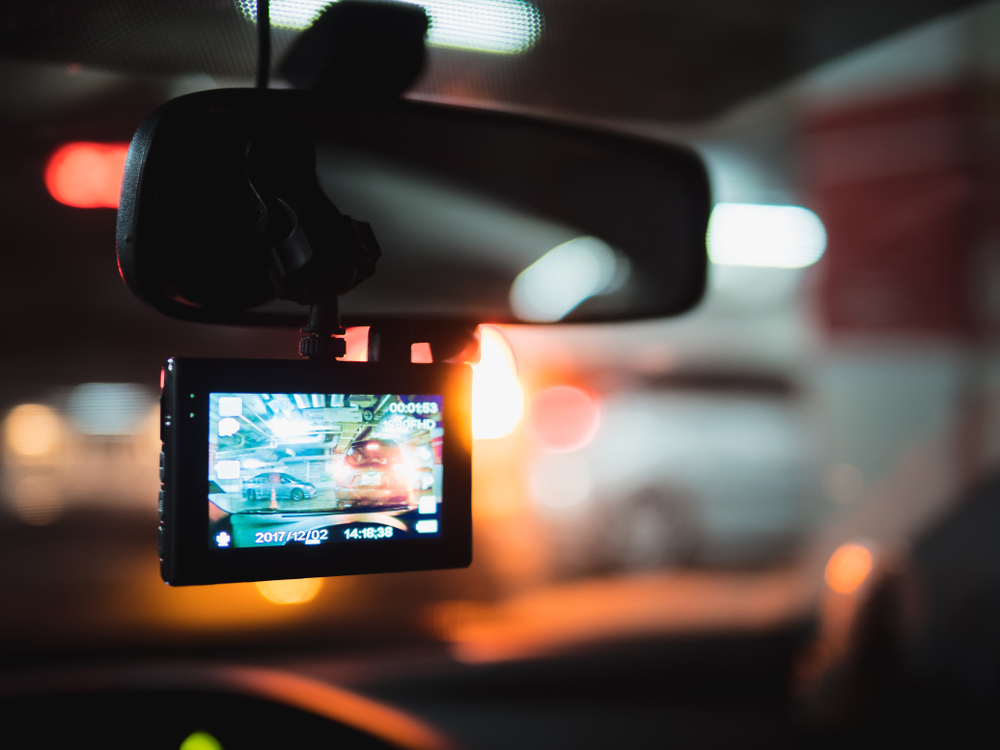
For car dealerships in Parkville, protecting inventory and building buyer confidence can overlap in one practical piece of technology: the dash cam. Vehicles may move between dealership lots, local roads, service areas, and test-drive routes throughout Baltimore County, creating situations where reliable video can provide useful context.
Dash cams can help dealerships document vehicle activity, support clearer conversations after incidents, and demonstrate a thoughtful approach to vehicle protection. For buyers, a professionally installed camera system can also be a useful technology feature when discussing safety, security, and driving accessories.
Quick answer: Parkville car dealerships can use dash cams to create video records during authorized vehicle use, help document incidents involving inventory, and offer buyers a practical vehicle technology upgrade. The value depends on choosing suitable equipment, installing it correctly, and establishing appropriate policies for recording, storage, and access.
What local dealerships should know
-
Dash cams can provide video context after collisions, parking incidents, or other events involving dealership vehicles.
-
Dealership inventory traveling along busy Baltimore County routes may benefit from reliable recording during authorized road use.
-
Professional installation can help keep wiring organized and reduce the risk of an accessory interfering with normal vehicle operation.
-
Parking-monitoring features may provide additional coverage while compatible vehicles are stationary, depending on the camera, installation method, settings, and available power.
-
Dealerships should establish clear policies for camera use, footage access, retention, and privacy before deploying dash cams across inventory.
Why Do Dash Cams Matter for Parkville Car Dealerships?
Dash cams matter for Parkville car dealerships because dealership vehicles frequently transition between parked inventory and active road use, creating opportunities for incidents where video context may be valuable. Local traffic, test drives, inventory movement, and customer expectations can make documentation and professional installation especially useful.
Parkville sits within a heavily traveled part of Baltimore County, with nearby communities such as Towson, Carney, Perry Hall, and White Marsh contributing to regular local traffic. Roads such as Harford Road and Joppa Road can be part of everyday vehicle movement in the area, while larger regional routes connect dealerships with customers and destinations throughout Greater Baltimore.
A dealership vehicle may be parked one hour and on a customer test drive or inventory transfer the next. That changing environment is one reason dealerships may consider dash cameras as part of a broader inventory-management and vehicle-accessory strategy.
Sound Solutions, Inc. can help local dealerships explore professionally installed dash cam solutions suited to their vehicles and intended use. From this point forward, we focus on matching equipment and installation choices to the vehicle rather than treating every application as identical.
What Can Dealerships Learn From Local Conditions and Field Observations?
Local dealership conditions show why dash cam systems should be selected around actual vehicle use rather than treated as a one-size-fits-all accessory. Inventory may remain parked for extended periods, travel on short test drives, or move through busy Baltimore County traffic, and each use case can affect camera and installation choices.
This article does not rely on unsupported local incident statistics. Instead, the practical considerations here reflect common dealership operating situations: vehicles move between lots and roads, different drivers may operate the same vehicle, and inventory needs to remain presentable for prospective buyers.
That means dealerships should consider recording coverage, power management, storage capacity, camera placement, and ease of operation before choosing a system.
How Can Dash Cams Protect Dealership Inventory?
Dash cams can help protect dealership inventory by creating a visual record of certain events that occur within the camera’s coverage. Depending on the system and configuration, footage may provide additional context after a road incident, parking event, or question about what occurred while a vehicle was being used.
For a dealership, the benefit is documentation rather than prevention alone. A camera cannot stop another vehicle from making contact with inventory, and it cannot guarantee that every relevant detail will be captured.
It may, however, provide footage that helps dealership staff understand an event more clearly. That can be particularly useful when a vehicle has been driven around Parkville, Towson, or another nearby Baltimore County community and returns with previously unnoticed damage.
What Warning Signs Suggest a Dealership Needs a Better Dash Cam Strategy?
A dealership may need a better dash cam strategy when existing cameras, installations, or operating procedures create unreliable recording or unnecessary uncertainty. Warning signs often appear as equipment problems, inconsistent policies, or installations that do not fit the way inventory is actually used.
Watch for:
-
Cameras that shut off unexpectedly or fail to record consistently.
-
Loose power cables hanging around the dashboard or center console.
-
Camera placement that unnecessarily obstructs the driver’s view.
-
Poor nighttime footage that makes important details difficult to distinguish.
-
Storage cards that fill up or develop recording problems.
-
Parking-monitoring features that do not operate as expected.
-
Staff uncertainty about when cameras are active or how footage should be handled.
-
Installations that leave visible wiring in vehicles being presented to customers.
A dealership managing multiple vehicles needs consistency. A camera is much less useful when employees cannot determine whether it was operating correctly.
When Should a Dealership Call a Professional Dash Cam Installer?
A dealership should consider professional installation when it wants clean wiring, reliable power integration, appropriate camera placement, or repeatable installations across multiple vehicles. Professional help is especially valuable when hardwiring, parking monitoring, vehicle-specific electrical considerations, or customer-ready presentation are priorities.
Dealership employees can perform simple checks such as confirming that a camera powers on, inspecting footage, and verifying that the lens is unobstructed.
Electrical integration deserves more care. Modern vehicles can contain sensitive electronics, driver-assistance hardware, sensors, and complex trim assemblies. An accessory should not be installed in a way that interferes with airbags, visibility, vehicle controls, or other systems.
What Common Issues Reduce Dash Cam Effectiveness?
The most common dash cam issues involve poor placement, unreliable power, inadequate storage, incorrect settings, and installations that do not account for how a dealership vehicle will be used. Baltimore County driving conditions make dependable operation more important than simply having a camera attached to the windshield.
1. Poor camera placement
A camera needs a useful field of view without creating an unnecessary obstruction. Vehicle design can affect the best location.
2. Unreliable power
A loose plug or poorly planned connection can cause intermittent recording. Hardwired applications require appropriate installation methods for the specific vehicle.
3. Insufficient storage
Video consumes storage continuously. The appropriate memory capacity depends on camera resolution, recording settings, and how frequently footage is overwritten or reviewed.
4. Incorrect parking settings
Parking monitoring varies among products. Some configurations may require compatible hardwiring or other power arrangements.
5. Lack of dealership procedures
Even good hardware provides limited value if employees do not know how to confirm recording, preserve relevant footage, or follow dealership privacy policies.
How Should Parkville Dealerships Maintain Dash Cam Systems?
Parkville dealerships should maintain dash cam systems through routine recording checks, lens cleaning, storage inspection, and verification that cameras remain securely positioned. A short inspection process can be incorporated into existing vehicle checks before test drives or other authorized use.
Staff can periodically review sample footage rather than assuming the camera is recording correctly. The lens and windshield area should remain clean, particularly after pollen, dust, interior detailing, or windshield cleaning.
Dealerships should also check storage media according to the camera manufacturer’s guidance. If parking monitoring is used, employees should understand how the system behaves when a vehicle remains parked for longer periods.
DIY maintenance should stop when a problem involves hardwired power, hidden wiring, trim removal, or possible interaction with vehicle electrical systems.
What Results Can Dealerships Realistically Expect From Dash Cams?
Dealerships can realistically expect dash cams to provide an additional source of visual information when an event falls within the camera’s field of view and the system is recording properly. Professional installation can also create a cleaner appearance and more consistent setup than temporary wiring.
Dash cams do not eliminate collisions, theft, vandalism, disputes, or inventory damage. They also cannot capture everything happening around a vehicle unless the chosen system has cameras covering those areas.
Their practical value comes from documentation. For buyers, a cleanly integrated camera can also illustrate how modern accessories can be incorporated without making the cabin look cluttered.
What Dash Cam Mistakes Should Local Dealerships Avoid?
Local dealerships should avoid treating dash cams as set-and-forget devices because installation quality, configuration, maintenance, and operating policies all affect their usefulness.
Mistake: Using loose temporary wiring in customer-facing inventory.
Consequence: Cables can look unfinished and may interfere with the presentation of the interior.
Better approach: Consider a professional installation designed around the specific vehicle.
Mistake: Assuming parking mode works automatically.
Consequence: The dealership may expect footage that the system was never configured to capture.
Better approach: Verify the camera’s capabilities, power requirements, and settings.
Mistake: Never checking recorded footage.
Consequence: A recording problem may remain unnoticed until footage is actually needed.
Better approach: Build periodic recording verification into routine inventory checks.
Mistake: Ignoring privacy and access procedures.
Consequence: Staff may be unclear about how recordings should be managed.
Better approach: Establish dealership policies covering recording, access, retention, and applicable privacy requirements.
What Does a Common Parkville Dealership Scenario Look Like?
A common Parkville dealership scenario involves a vehicle leaving the lot for an authorized drive and returning after traveling on busy local roads. Later, someone notices damage or raises a question about something that happened during the trip.
This is a general scenario, not a Sound Solutions, Inc. customer case study.
If an appropriately positioned dash cam was operating at the relevant time, dealership staff may be able to review footage for additional context. The recording may help establish a clearer timeline or show road conditions surrounding an incident.
The usefulness depends entirely on what the camera captured, which is why correct placement, reliable operation, and routine checks matter.
Which Dash Cam Services Can Support Dealerships?
Dash cam services can support dealerships through equipment selection, professional installation, power integration, camera positioning, and configuration appropriate to the intended application. The right solution may differ between a single customer vehicle and a dealership planning installations across multiple vehicles.
We can help evaluate installation considerations such as camera location, visible wiring, power requirements, and parking-monitoring needs based on compatible equipment and vehicle design.
For dealerships interested in making dash cams an available buyer upgrade, a professional installation option can also provide customers with a more finished alternative to mounting and wiring the equipment themselves.
How Do DIY and Professional Dash Cam Installation Compare?
DIY dash cam installation can work for simple plug-in applications, while professional installation is better suited to dealerships that prioritize hidden wiring, vehicle-specific integration, repeatability, and a polished customer-facing result. The right choice depends on the vehicle, camera system, and intended features.
A basic camera powered through an accessible outlet may be relatively straightforward. The tradeoff is that visible wiring may remain, and some advanced functions may require a different power configuration.
Professional installation becomes more valuable when the dealership wants concealed wiring or a more integrated appearance. It also reduces the need for dealership personnel to remove trim or determine appropriate wiring routes themselves.
Which Areas Can Local Dealerships Consider for Dash Cam Installation Support?
Dealerships in Parkville and surrounding Baltimore County communities can consider professional dash cam installation when they want a cleaner, more integrated solution. Nearby areas such as Carney, Perry Hall, Towson, and White Marsh share many of the same dealership and commuter-driving considerations.
The broader Greater Baltimore area also creates regular movement between suburban dealerships, service facilities, customers, and major transportation corridors.
What Can Happen When Dealerships Ignore Documentation Gaps?
Ignoring documentation gaps can leave dealerships with fewer sources of information when questions arise about a vehicle’s time on the road or certain recorded parking events. The result may be additional uncertainty when staff need to reconstruct what happened.
The goal is not to assume that every dealership vehicle requires a camera. Instead, dealerships should consider where video documentation would provide meaningful operational value.
For high-use inventory, demonstration vehicles, or other applications where authorized road use is frequent, dependable recording may be worth considering as part of a broader vehicle-protection strategy.
FAQ About Dash Cams for Parkville Car Dealerships
Can Parkville dealerships install dash cams in inventory vehicles?
Yes, dealerships can consider dash cams for inventory vehicles when the equipment and installation are appropriate for the application. Dealerships should also establish their own policies concerning recording, driver notification, footage access, retention, and privacy. Professional installation can help address physical placement, wiring, and power considerations.
Can a dash cam record while a dealership vehicle is parked?
Some dash cams can monitor a parked vehicle when properly configured with compatible equipment and an appropriate power setup. Capabilities differ significantly by model. Parkville dealerships considering parking monitoring should verify how the chosen system operates, how it manages power, and what types of events it is designed to record.
Are dash cams useful for dealership test drives in Baltimore County?
Dash cams can be useful during authorized test drives because they may record road events within their field of view. That footage can provide additional context if an incident occurs. Dealerships should still establish appropriate policies for recording and should not assume a camera will capture every relevant event.
Can a dash cam prevent inventory theft or damage in Parkville?
No, a dash cam cannot guarantee prevention of theft, vandalism, collisions, or other inventory damage. Its primary role is recording. Depending on camera coverage and operating mode, footage may provide useful information about certain events, making the camera one component of a broader dealership security and inventory-protection approach.
Should dealerships hardwire dash cams?
Hardwiring may be appropriate when a dealership wants concealed power wiring or compatible parking-monitoring functionality, but the decision depends on the camera and vehicle. Because modern vehicles can contain complex electrical and safety systems, dealerships around Parkville should consider professional installation rather than treating every vehicle’s wiring configuration as interchangeable.
How often should dealership staff check dash cam footage?
Dealership staff should check sample footage periodically and whenever there is reason to question camera operation. The appropriate schedule depends on how frequently vehicles are used and the dealership’s procedures. Routine checks can identify storage, positioning, power, or recording problems before footage is needed after an event.
Can dealerships offer dash cam installation to buyers?
Yes, dash cam installation can be presented as an optional vehicle technology service when the dealership has an appropriate installation solution available. Buyers in Parkville and nearby communities may appreciate understanding how a camera can be integrated cleanly into their vehicle rather than relying on loose cables or a temporary installation.
Does a dash cam capture everything around a vehicle?
No, a dash cam records only what its cameras can see while the system is operating. A front-facing camera cannot provide complete coverage around a vehicle. Multi-camera systems can expand coverage, but blind spots can remain. Dealerships should choose equipment based on the areas they actually want to document.
Build Buyer Confidence With a Clean, Professional Dash Cam Solution
Dash cams can give Parkville dealerships another tool for documenting vehicle use while providing buyers with a practical technology option. The strongest results come from choosing equipment carefully, installing it correctly, and maintaining clear procedures for its use.
Protect Inventory and Offer Buyers a More Integrated Technology Option
We can help you explore dash cam installation solutions designed around the vehicle, intended features, and the professional appearance dealership customers expect.