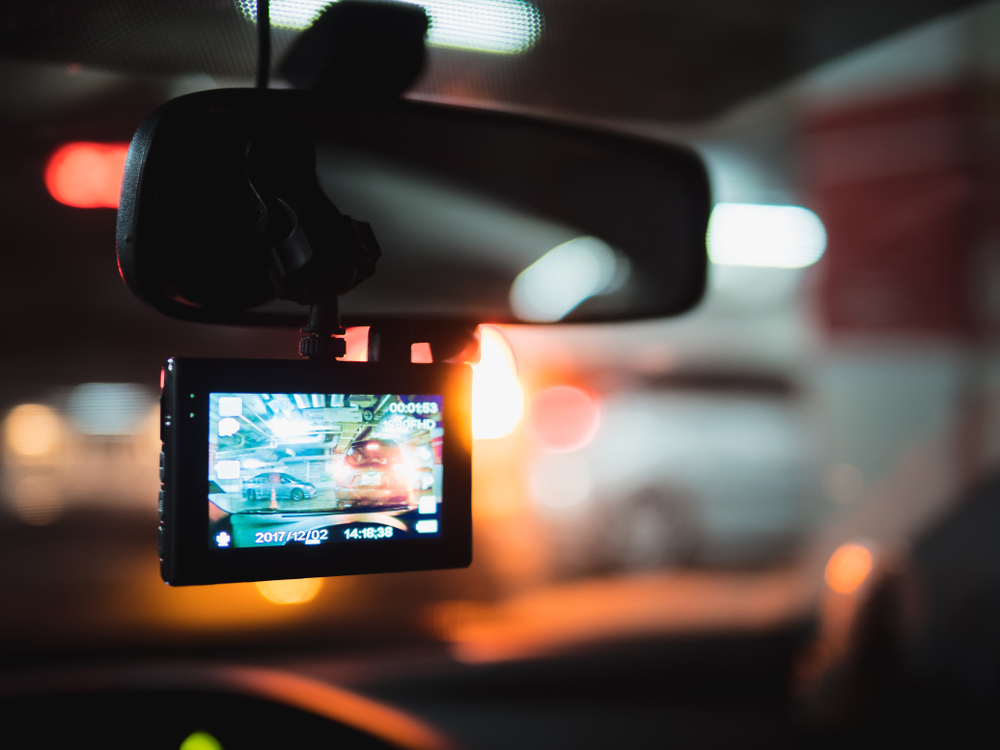
If you spend hours each week driving the busy roads of Baltimore, MD, or navigating the winding streets of Parkville, having a seamless in-car tech experience can transform your daily commute. Two of the most popular options available today—Apple CarPlay and Android Auto—allow Maryland drivers to connect their smartphones directly to their vehicles, bringing navigation, entertainment, and communication to your fingertips. But which system is right for you? Whether you’re considering an Apple CarPlay installation or an Android Auto upgrade, understanding their strengths and weaknesses can help you make the best decision for your lifestyle.
The Evolution of In-Car Connectivity for Maryland Drivers
Not too long ago, most cars relied on simple AM/FM radios, CDs, or auxiliary cables for entertainment. Today, the best touchscreen systems have redefined what it means to stay connected on the road. Both Apple CarPlay and Android Auto represent the next generation of driver-friendly interfaces designed to minimize distractions while maximizing functionality.
Maryland drivers, especially those commuting from Baltimore to surrounding areas like Towson or Parkville, face long drives and heavy traffic. In such conditions, convenience and safety matter more than ever. Apple CarPlay and Android Auto were created with this in mind, providing easy access to navigation apps, hands-free calling, and streaming services—all while keeping your eyes on the road and hands on the wheel.
These systems rely on smartphone integration rather than native car software, which means you always have access to the latest updates and app compatibility. As long as your vehicle supports these features—or you’ve opted for a professional Apple CarPlay installation or Android Auto upgrade—you can enjoy a modernized driving experience without buying a new car.
Apple CarPlay: Seamless Integration for iPhone Users
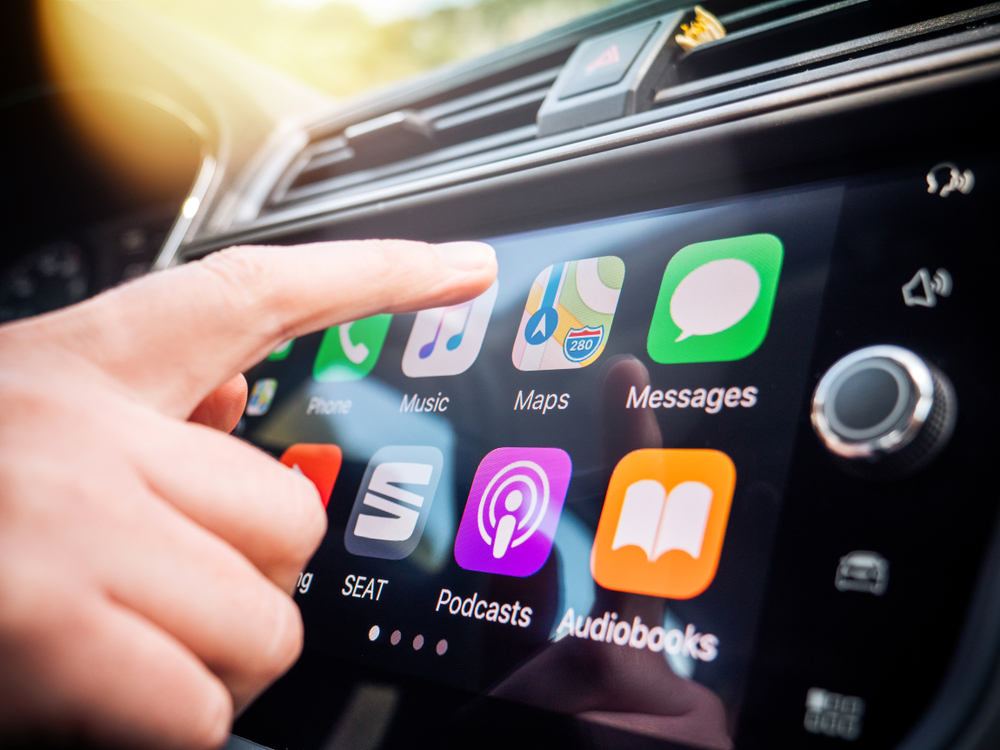
If you’re an iPhone owner, Apple CarPlay offers an intuitive, user-friendly experience that mirrors your iPhone’s most important apps directly on your car’s touchscreen. Once connected via USB or Bluetooth, CarPlay’s interface displays familiar icons for navigation, messages, music, and calls, allowing you to interact safely while driving through Maryland’s highways or city streets.
CarPlay works especially well with Apple Maps, but it also supports popular alternatives like Google Maps and Waze, giving drivers flexible navigation options. For those living in Baltimore, where traffic can be unpredictable, real-time updates about detours, construction, and traffic jams can save valuable time.
Another strong advantage is voice control through Siri. Maryland drivers can ask Siri to send messages, find the nearest gas station, or play their favorite podcast without ever touching the screen. The integration feels seamless, and the system is remarkably responsive to natural speech, even when background noise from traffic or rain is present.
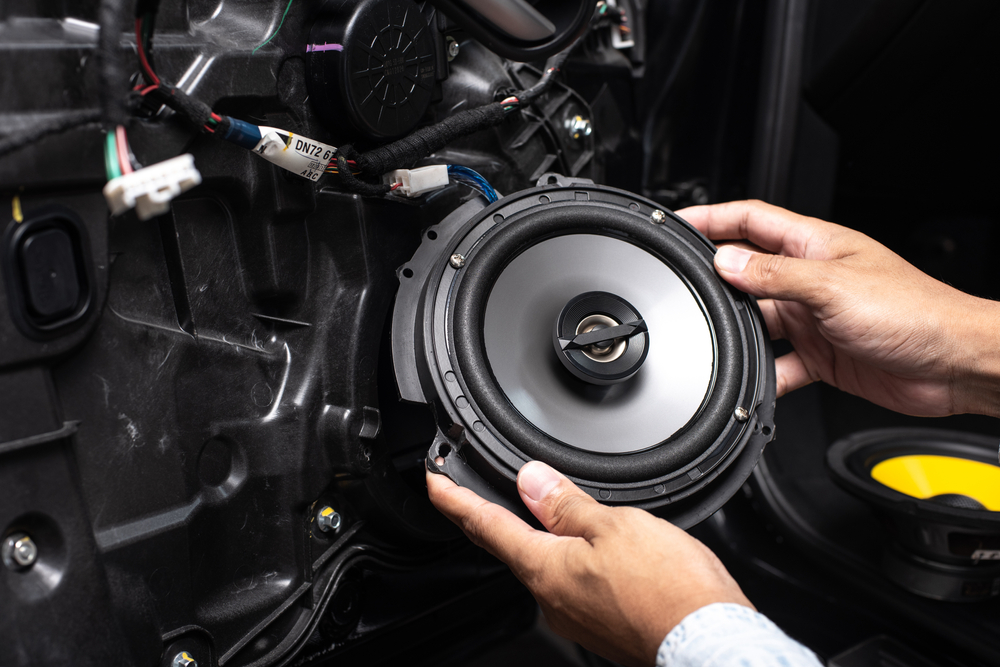
For those considering an Apple CarPlay installation in Baltimore, MD, compatibility is rarely an issue. Many modern cars already come equipped with CarPlay, but for older vehicles, aftermarket installation is simple. Local audio and accessory shops in Parkville and nearby areas can easily add the feature to almost any make or model, often alongside the best touchscreen systems that enhance both visuals and functionality.
Android Auto: Flexibility and Customization for Google Users
For Android users, Android Auto offers an equally compelling option. Its design philosophy focuses on flexibility, customization, and deep integration with Google services. Whether you’re commuting to Baltimore or running errands around Parkville, Android Auto puts Google Maps, Assistant, and your favorite apps just a tap or command away.
Android Auto shines in its navigation and search capabilities. With Google Maps as the default, Maryland drivers get accurate real-time traffic data, route suggestions, and integration with Google Assistant for hands-free control. You can say, “Hey Google, navigate to Inner Harbor,” or “Find the fastest route to Towson,” and your car responds instantly.
In addition to navigation, Android Auto provides extensive app compatibility. You can stream Spotify, YouTube Music, or Audible, respond to messages through voice dictation, and access smart home controls—useful for adjusting your thermostat before you arrive home on a cold Maryland evening.
If your current vehicle doesn’t support Android Auto natively, an Android Auto upgrade can make all the difference. Many of the best touchscreen systems on the market now come with Android Auto built in, offering high-resolution displays, customizable layouts, and wireless connectivity. Upgrading through a local shop in Baltimore, MD, ensures professional installation and optimal system performance tailored to your car’s existing setup.
Comparing the Two: Which Works Best for Maryland Drivers?
When comparing Apple CarPlay and Android Auto, the best choice depends on your ecosystem, preferences, and driving habits. Both systems enhance safety, convenience, and entertainment, but they differ slightly in design and usability.
Apple CarPlay is the more polished and streamlined of the two, ideal for drivers who value simplicity. The interface mirrors Apple’s minimalist design, making it perfect for those who prefer a clean, intuitive layout. If you already use other Apple products like an iPhone, Apple Watch, or iPad, CarPlay extends that seamless integration into your vehicle. Maryland drivers who rely heavily on Apple Music or iMessage will appreciate how naturally it all fits together.
On the other hand, Android Auto excels in flexibility and customization. It’s designed for those who like control over their interface and the freedom to use different apps. For instance, Android Auto users can choose between multiple navigation apps or change how icons appear on the screen. Its compatibility with Google Assistant also means that drivers who rely on voice commands will find the experience more conversational and versatile.
From a technical standpoint, both systems have evolved significantly. Wireless connectivity is now common, so Maryland drivers don’t need to plug in their phones every time they start the car. Both support high-resolution displays, real-time navigation, and improved safety features like Do Not Disturb modes during driving. Ultimately, the right choice often comes down to which smartphone you use every day.
Choosing the Right Touchscreen and Installation in Baltimore, MD
Upgrading your vehicle with the best touchscreen systems can dramatically improve both functionality and driving enjoyment. When deciding between an Apple CarPlay installation and an Android Auto upgrade, Maryland drivers should consider display size, screen responsiveness, and compatibility with their car’s existing audio setup.
In the Baltimore and Parkville area, professional installers can assess your car’s make and model, recommend the most compatible units, and handle integration with steering wheel controls, backup cameras, and sound systems. This ensures a clean, factory-quality finish that feels natural inside your vehicle.
Some of the most popular aftermarket touchscreen units available today come from trusted brands like Pioneer, Kenwood, and Alpine. These systems not only support Apple CarPlay and Android Auto but also offer advanced sound equalization, high-brightness screens, and Bluetooth capabilities for hands-free calls. For those who drive long distances across Maryland, investing in a high-quality system enhances both comfort and safety.
It’s also worth noting that professional installation in Baltimore, MD, guarantees compliance with local laws regarding in-dash screen placement and visibility, ensuring that your setup is both functional and legal. Choosing an expert installer in Parkville or surrounding communities provides peace of mind that your investment will perform reliably for years to come.
Making Maryland Commutes Smarter and Safer
Whether you opt for an Apple CarPlay installation or an Android Auto upgrade, both systems represent a major step forward in in-car technology. For Maryland drivers who spend long hours commuting through Baltimore or Parkville, these integrations bring your smartphone’s best features into your dashboard, combining convenience with safety.
Apple CarPlay offers the elegance and simplicity that Apple users expect, while Android Auto delivers unmatched flexibility and integration with Google’s ecosystem. Whichever path you choose, pairing your phone with one of the best touchscreen systems available will transform your driving experience—keeping you informed, entertained, and connected on every journey.
Upgrading your vehicle’s infotainment system is more than a tech improvement; it’s an investment in safety, comfort, and connectivity. For Maryland drivers looking to enhance their daily commute, there’s never been a better time to make the switch and enjoy the modern driving experience that Apple CarPlay and Android Auto provide.
Need Auto Electronics Near You?
At Sound Solutions, Inc., we take pride in delivering the highest quality auto electronics services throughout the Baltimore area — from precision installations and system upgrades to expert repairs and custom enhancements. Whether you need a new sound system, backup camera, electrical diagnostics, or a mobile on-site replacement, our skilled team is ready to get you back on the road (or water) quickly and safely. We invite you to experience our blend of technical expertise and customer-first service firsthand; call us today to schedule your appointment or learn how we can enhance your vehicle’s performance and entertainment experience!
If you spend a lot of time behind the wheel in Maryland, you know how important great sound quality is for every drive. Whether you’re stuck in I-695 traffic or cruising along Harford Rd, having the best car audio upgrades can completely transform your experience. From advanced stereos to high-performance speakers, today’s technology can make your car feel like a concert hall on wheels. For drivers in Baltimore and nearby Parkville, MD, investing in professional car stereo installation can make every commute smoother, more enjoyable, and more connected.
The Importance of Quality Car Audio in Baltimore
Commuting around Baltimore means dealing with a mix of heavy traffic, unpredictable road noise, and long drives between neighborhoods like Parkville, Towson, and Essex. In these conditions, a high-quality audio system is more than a luxury — it’s a key part of comfort and focus on the road. When your sound system delivers crisp vocals and deep bass, your favorite music, podcasts, or audiobooks become immersive instead of background noise.
Many factory-installed systems simply don’t have the power or clarity needed to overcome highway sounds or city bustle. That’s where car audio upgrades come in. The best car audio upgrades for Baltimore drivers are designed to enhance clarity, expand frequency range, and balance sound across every seat in the vehicle. With the right components and expert tuning from a professional car audio shop near Harford Rd, Baltimore, you’ll rediscover the joy of listening to music on the move.
For example, if you’ve ever noticed distortion when turning up the volume, or uneven sound between front and rear speakers, your system is likely limited by its stock components. Upgrading to aftermarket amplifiers, speakers, or subwoofers can resolve these issues instantly. Beyond just sound quality, these upgrades also add value to your vehicle and give you better control over your in-car entertainment.
Essential Car Stereo Upgrades for Every Vehicle
The heart of any modern audio system is the stereo head unit. Whether you drive an older sedan or a new SUV, this component determines how your music is delivered and controlled. The latest aftermarket stereos offer far more than simple radio playback. They provide advanced connectivity options, including Bluetooth streaming, Apple CarPlay, Android Auto, and built-in navigation. These systems allow you to manage your playlists, answer calls hands-free, and even control smart assistants like Siri or Google Assistant, all from an intuitive touchscreen.
Upgrading your car stereo installation in Baltimore also means improved power handling. Many factory stereos limit output to conserve energy, resulting in weak bass and flat sound. Aftermarket units provide stronger preamp signals that can drive high-performance speakers and subwoofers with ease.
If you’re searching for the best car audio upgrades near Parkville, MD, consider visiting a local car audio shop near Harford Rd, Baltimore. Professionals there can assess your vehicle’s existing wiring and compatibility, ensuring your new stereo integrates perfectly with your dash design and electrical system. Installation quality makes a huge difference — improper setup can lead to interference, blown fuses, or reduced performance. With expert help, your system will not only look factory-fitted but also sound far better than the manufacturer’s default setup.
Speakers and Amplifiers: The Backbone of Sound Quality
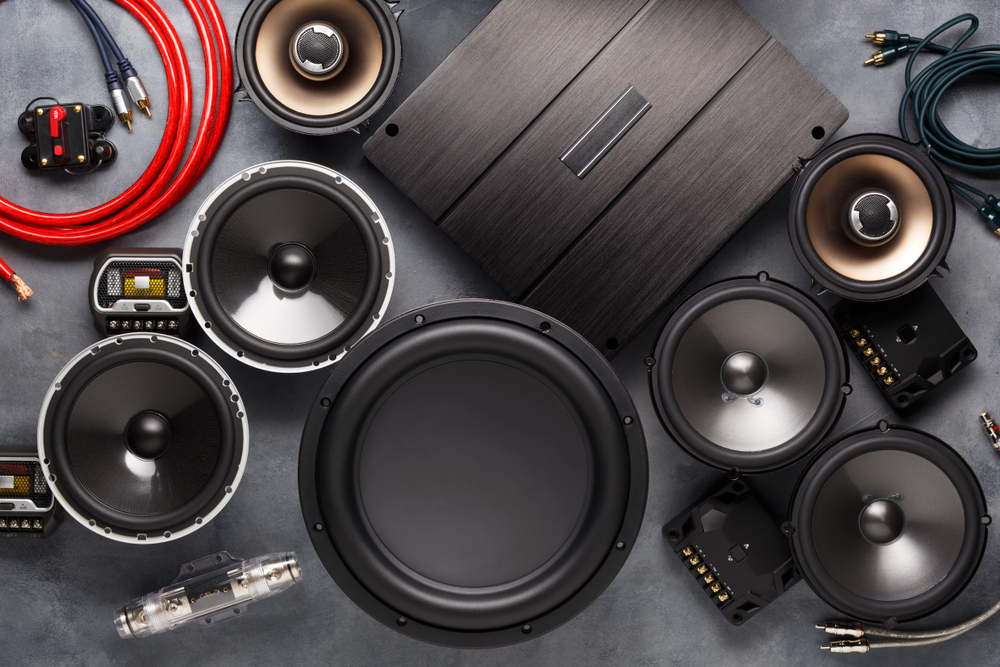
Even the most advanced stereo won’t perform well without quality speakers and amplifiers to support it. Speakers are where sound meets the air, and their design directly affects clarity, tone, and overall realism. Factory speakers often use paper cones and lightweight materials that degrade quickly under heat and vibration — common issues in Baltimore’s variable weather. Upgrading to component speakers with durable materials like polypropylene, silk, or Kevlar dramatically improves performance and longevity.
Amplifiers, on the other hand, provide the necessary power to drive these upgraded speakers without distortion. They ensure that your sound remains clean and controlled, even at high volume levels. A professionally tuned amplifier can bring out hidden details in your music, from subtle guitar harmonics to the deep pulse of bass drums.
If you live near Parkville or northeast Baltimore, professional car stereo installation can include custom amplifier mounting that preserves trunk space and maintains airflow. Technicians at a reputable car audio shop near Harford Rd, Baltimore, will also balance your system’s power distribution to prevent overloading your car’s battery or alternator.
When properly installed, speakers and amplifiers can turn a standard car cabin into a surround-sound environment. The key is tuning. Equalization and crossover adjustments help direct specific frequencies to the right components, creating a balanced, immersive soundstage that makes even a morning commute feel like a private concert.
Adding a Subwoofer for Deep, Clean Bass
One of the most popular and effective car audio upgrades is a subwoofer. While factory systems might include small “bass boost” speakers, they can’t replicate the deep, controlled low frequencies that a dedicated subwoofer delivers. Subwoofers handle the lower end of the audio spectrum — the rumble of bass lines, the punch of drums, and the richness of cinematic soundtracks. For Baltimore drivers who love hip-hop, jazz, or rock, a quality subwoofer adds power and realism that transforms the entire listening experience.
Subwoofers come in various sizes and configurations, from compact under-seat units to large trunk-mounted enclosures. The right choice depends on your vehicle type and musical preferences. A professional car audio shop near Harford Rd, Baltimore, can help you select the ideal subwoofer setup and enclosure design to match your sound goals and available space.
Installation is equally critical. A poorly sealed or mismatched enclosure can cause muddled bass or excessive vibration. Custom-fit boxes, sound dampening materials, and proper tuning make all the difference. When combined with a high-efficiency amplifier and upgraded speakers, a subwoofer adds depth and balance that enhances every note.
In urban areas like Parkville or downtown Baltimore, subwoofer tuning also helps reduce sound leakage. Professionals can adjust frequency response so that you enjoy full bass inside your vehicle without disturbing others outside it. This level of precision ensures your sound is clean, dynamic, and neighbor-friendly.
Integrating Sound Processors and Noise Control for the Perfect Ride
Beyond hardware upgrades, modern sound processors and noise control enhancements can dramatically improve your car’s audio performance. A digital signal processor (DSP) fine-tunes timing, equalization, and crossover settings with precision that no manual adjustment can match. By calibrating for speaker location and vehicle acoustics, a DSP ensures that sound reaches your ears at the perfect time and balance, creating a studio-quality experience inside your car.
This upgrade is particularly valuable in older vehicles or those with complex cabin designs where sound reflections can muddy clarity. Combined with proper sound deadening materials, it helps eliminate road and engine noise that often interferes with your listening enjoyment. In Baltimore’s busy traffic corridors or near construction zones, these upgrades provide a quiet, immersive escape from outside distractions.
A professional installer in Parkville, MD, can integrate these systems seamlessly, often concealing processors and dampening materials behind panels and under carpeting. This maintains your vehicle’s aesthetics while delivering a premium acoustic experience. If you’ve ever wondered how luxury car manufacturers achieve crystal-clear sound at any speed, this combination of DSP tuning and noise control is their secret.
For drivers searching for the best car audio upgrades or planning a full system overhaul, adding a sound processor is the final touch that separates a good system from a truly great one. It brings balance, precision, and adaptability to your setup — especially valuable if you enjoy a variety of music genres or frequently switch between streaming sources and radio.
Finding the Best Car Audio Upgrades Near You
Whether you’re upgrading for better sound quality, more functionality, or just to make your daily commute through Baltimore more enjoyable, investing in the best car audio upgrades is a decision you won’t regret. With the right combination of components — from a new stereo and speakers to amplifiers, subwoofers, and digital tuning — you can completely redefine your in-car experience.
If you’re located in Parkville, MD, or anywhere near Harford Rd, visiting a trusted car audio shop near Baltimore is the best first step. Professional car stereo installation ensures that every piece of equipment works harmoniously, giving you the perfect blend of clarity, depth, and reliability. Experts can help you choose the best setup for your vehicle type, music preferences, and budget while making sure every wire and connection is installed safely and efficiently.
A high-quality audio system doesn’t just play music — it transforms your drive. From the moment you turn the key, your car becomes more than transportation. It becomes your concert venue, your podcast studio, and your escape from the noise of the world outside. With professional guidance and precision installation, the road through Baltimore will never sound the same again.
Need Auto Electronics Near You?
At Sound Solutions, Inc., we take pride in delivering the highest quality auto electronics services throughout the Baltimore area — from precision installations and system upgrades to expert repairs and custom enhancements. Whether you need a new sound system, backup camera, electrical diagnostics, or a mobile on-site replacement, our skilled team is ready to get you back on the road (or water) quickly and safely. We invite you to experience our blend of technical expertise and customer-first service firsthand; call us today to schedule your appointment or learn how we can enhance your vehicle’s performance and entertainment experience!
Since opening our doors in 1990, Sound Solutions, Inc. has proudly served Parkville, MD and the greater Baltimore area as the go-to destination for professional car audio installation. What began as a small, family-owned operation has grown into one of the most respected names in vehicle electronics. For over three decades, we’ve built our reputation on honest service, expert craftsmanship, and a passion for sound quality that transforms every drive.
Our long-standing presence in the community means we’ve seen the evolution of car stereo technology firsthand. From the days of cassette decks and CD changers to the latest touchscreen infotainment systems, our technicians have mastered every generation of in-car entertainment. Whether you’re upgrading to the newest Android Auto or Apple CarPlay unit, or repairing a classic system that needs care, we have the skill and tools to handle it all.
Drivers throughout Baltimore trust us because we treat every vehicle like our own. We take time to understand your listening preferences, your car’s layout, and your budget before recommending a system. At Sound Solutions, Inc., car audio installation is more than a service—it’s a craft backed by decades of proven experience.
MECP-Certified Technicians and Precision Craftsmanship
Quality installation is what separates an average stereo upgrade from a truly professional system. That’s why every technician on our team is MECP-certified, a nationally recognized standard for automotive electronics expertise. This certification ensures that our installers meet the highest levels of technical competence and safety, whether working on a factory radio repair or a complete custom setup.
We understand that modern vehicles are equipped with advanced electrical systems, and improper wiring can cause costly damage. Our technicians use manufacturer-approved methods and diagnostic tools to integrate new components seamlessly. Whether you drive a compact sedan, luxury SUV, or performance car, our experts guarantee a flawless finish that preserves your vehicle’s integrity and functionality.
At Sound Solutions, we don’t take shortcuts. Every connection is soldered, every wire is secured, and every panel is reinstalled with care. The result is a clean, reliable installation that looks factory-fresh and performs better than stock. Baltimore drivers continue to rely on us because they know our craftsmanship stands the test of time.
Comprehensive Auto Electronics Solutions
As a full-service car electronics shop near Harford Rd, we offer much more than car stereo upgrades. Our facility in Parkville, MD is equipped to handle all aspects of vehicle electronics, ensuring convenience and quality under one roof.
We specialize in:
Car audio systems: From premium component speakers and amplifiers to full digital signal processor tuning, we bring concert-level sound to your daily commute.
OEM factory repairs: For drivers who want to keep their vehicle’s original equipment, we offer expert diagnostics and repairs that restore factory performance.
Car alarms and remote start systems: Our advanced security and convenience systems add protection and comfort to every ride.
Backup cameras and sensors: We install high-definition cameras and parking aids that make reversing safer and easier.
Marine and RV upgrades: Whether you’re upgrading your boat’s speakers or outfitting your RV with modern entertainment, we provide reliable mobile solutions built to withstand the elements.
Electrical diagnostics: Using advanced testing tools, our team identifies and resolves complex electrical issues quickly and accurately.
Our mobile van service extends the same expertise directly to our customers. If you can’t come to us, our on-site installation team will come to you for convenient same-day replacements and repairs. We understand your time is valuable, which is why we work efficiently without compromising quality.
For more than 30 years, Sound Solutions has remained the trusted name for Baltimore car stereo experts, providing comprehensive service that keeps drivers connected, entertained, and secure.
Family-Owned Service with a Commitment to Customers
At Sound Solutions, Inc., being family-owned means we operate with integrity, loyalty, and personal attention that big chains can’t match. Our customers aren’t just appointments on a schedule—they’re part of our community. Many of our clients have been returning to us for years, often recommending us to family and friends throughout the Baltimore area.
This trust has been earned through consistent transparency and respect. We never push unnecessary upgrades or use gimmicks to make a sale. Instead, we take time to explain your options, provide honest recommendations, and ensure you understand what you’re getting. Whether it’s a simple speaker replacement or a full custom installation, our focus is on achieving the best sound and functionality for your needs and budget.
Over the decades, we’ve built relationships that span generations. Parents who came to us in the 1990s now bring their children for new installations. Our customers appreciate knowing they’ll see familiar faces every time they walk through our doors. That continuity and personal care are what make Sound Solutions more than just a car electronics shop near Harford Rd—we’re a trusted local partner for all things audio and electrical.
We also take pride in supporting our community. From local car shows to charity events, we stay involved in Parkville’s growing automotive scene. Our success is a reflection of the people who trust us, and giving back is part of who we are.
Quality, Value, and the Sound Solutions Difference
What truly sets us apart from competitors is our balance of quality and affordability. We understand that professional car audio installation should deliver both exceptional performance and real value. Our pricing is competitive across the Baltimore region, and we’re upfront about every cost before starting any work.
By sourcing directly from trusted manufacturers and maintaining efficient operations, we keep prices fair without sacrificing quality. Customers can choose from a wide selection of premium brands suited for every type of vehicle and budget. Whether you’re after crisp highs, deep bass, or a balanced soundstage, our team designs systems that deliver exactly what you want.
Every installation at Sound Solutions comes with the assurance of precision workmanship and dependable performance. We test every component, calibrate your audio setup for optimal clarity, and ensure that your vehicle leaves our shop ready to impress.
Our philosophy is simple: when you drive away, your car should not only sound better but also reflect the care and professionalism that defines our name. That’s why Baltimore drivers continue to choose Sound Solutions for their car audio installation needs year after year.
We’re also continuously evolving with new technology. Our team stays current on the latest advancements in automotive electronics, from Bluetooth integration and digital amplifiers to advanced driver safety systems. Whether you’re modernizing an older model or fine-tuning a luxury vehicle’s audio, we bring innovation and precision to every project.
Conclusion
For over 30 years, Sound Solutions, Inc. has been Parkville’s most trusted destination for professional car audio installation and advanced vehicle electronics. Our MECP-certified technicians, family-owned service values, and commitment to quality have made us the preferred Baltimore car stereo experts for generations of drivers.
We’ve built our reputation on craftsmanship, reliability, and a dedication to customer satisfaction that extends far beyond the installation bay. From premium sound systems and factory repairs to remote starts and backup cameras, our team delivers the expertise and care your vehicle deserves.
When you’re looking for a dependable car electronics shop near Harford Rd, look no further than Sound Solutions, Inc. in Parkville, MD. Experience the difference that three decades of technical excellence and family-driven service can make.
Need Auto Electronics Near You?
At Sound Solutions, Inc., we take pride in delivering the highest quality auto electronics services throughout the Baltimore area — from precision installations and system upgrades to expert repairs and custom enhancements. Whether you need a new sound system, backup camera, electrical diagnostics, or a mobile on-site replacement, our skilled team is ready to get you back on the road (or water) quickly and safely. We invite you to experience our blend of technical expertise and customer-first service firsthand; call us today to schedule your appointment or learn how we can enhance your vehicle’s performance and entertainment experience!
For car dealerships in Parkville, protecting inventory and building buyer confidence can overlap in one practical piece of technology: the dash cam. Vehicles may move between dealership lots, local roads, service areas, and test-drive routes throughout Baltimore County, creating situations where reliable video can provide useful context.
Dash cams can help dealerships document vehicle activity, support clearer conversations after incidents, and demonstrate a thoughtful approach to vehicle protection. For buyers, a professionally installed camera system can also be a useful technology feature when discussing safety, security, and driving accessories.
Quick answer: Parkville car dealerships can use dash cams to create video records during authorized vehicle use, help document incidents involving inventory, and offer buyers a practical vehicle technology upgrade. The value depends on choosing suitable equipment, installing it correctly, and establishing appropriate policies for recording, storage, and access.
What local dealerships should know
Dash cams can provide video context after collisions, parking incidents, or other events involving dealership vehicles.
Dealership inventory traveling along busy Baltimore County routes may benefit from reliable recording during authorized road use.
Professional installation can help keep wiring organized and reduce the risk of an accessory interfering with normal vehicle operation.
Parking-monitoring features may provide additional coverage while compatible vehicles are stationary, depending on the camera, installation method, settings, and available power.
Dealerships should establish clear policies for camera use, footage access, retention, and privacy before deploying dash cams across inventory.
Why Do Dash Cams Matter for Parkville Car Dealerships?
Dash cams matter for Parkville car dealerships because dealership vehicles frequently transition between parked inventory and active road use, creating opportunities for incidents where video context may be valuable. Local traffic, test drives, inventory movement, and customer expectations can make documentation and professional installation especially useful.
Parkville sits within a heavily traveled part of Baltimore County, with nearby communities such as Towson, Carney, Perry Hall, and White Marsh contributing to regular local traffic. Roads such as Harford Road and Joppa Road can be part of everyday vehicle movement in the area, while larger regional routes connect dealerships with customers and destinations throughout Greater Baltimore.
A dealership vehicle may be parked one hour and on a customer test drive or inventory transfer the next. That changing environment is one reason dealerships may consider dash cameras as part of a broader inventory-management and vehicle-accessory strategy.
Sound Solutions, Inc. can help local dealerships explore professionally installed dash cam solutions suited to their vehicles and intended use. From this point forward, we focus on matching equipment and installation choices to the vehicle rather than treating every application as identical.
What Can Dealerships Learn From Local Conditions and Field Observations?
Local dealership conditions show why dash cam systems should be selected around actual vehicle use rather than treated as a one-size-fits-all accessory. Inventory may remain parked for extended periods, travel on short test drives, or move through busy Baltimore County traffic, and each use case can affect camera and installation choices.
This article does not rely on unsupported local incident statistics. Instead, the practical considerations here reflect common dealership operating situations: vehicles move between lots and roads, different drivers may operate the same vehicle, and inventory needs to remain presentable for prospective buyers.
That means dealerships should consider recording coverage, power management, storage capacity, camera placement, and ease of operation before choosing a system.
How Can Dash Cams Protect Dealership Inventory?
Dash cams can help protect dealership inventory by creating a visual record of certain events that occur within the camera’s coverage. Depending on the system and configuration, footage may provide additional context after a road incident, parking event, or question about what occurred while a vehicle was being used.
For a dealership, the benefit is documentation rather than prevention alone. A camera cannot stop another vehicle from making contact with inventory, and it cannot guarantee that every relevant detail will be captured.
It may, however, provide footage that helps dealership staff understand an event more clearly. That can be particularly useful when a vehicle has been driven around Parkville, Towson, or another nearby Baltimore County community and returns with previously unnoticed damage.
What Warning Signs Suggest a Dealership Needs a Better Dash Cam Strategy?
A dealership may need a better dash cam strategy when existing cameras, installations, or operating procedures create unreliable recording or unnecessary uncertainty. Warning signs often appear as equipment problems, inconsistent policies, or installations that do not fit the way inventory is actually used.
Watch for:
Cameras that shut off unexpectedly or fail to record consistently.
Loose power cables hanging around the dashboard or center console.
Camera placement that unnecessarily obstructs the driver’s view.
Poor nighttime footage that makes important details difficult to distinguish.
Storage cards that fill up or develop recording problems.
Parking-monitoring features that do not operate as expected.
Staff uncertainty about when cameras are active or how footage should be handled.
Installations that leave visible wiring in vehicles being presented to customers.
A dealership managing multiple vehicles needs consistency. A camera is much less useful when employees cannot determine whether it was operating correctly.
When Should a Dealership Call a Professional Dash Cam Installer?
A dealership should consider professional installation when it wants clean wiring, reliable power integration, appropriate camera placement, or repeatable installations across multiple vehicles. Professional help is especially valuable when hardwiring, parking monitoring, vehicle-specific electrical considerations, or customer-ready presentation are priorities.
Dealership employees can perform simple checks such as confirming that a camera powers on, inspecting footage, and verifying that the lens is unobstructed.
Electrical integration deserves more care. Modern vehicles can contain sensitive electronics, driver-assistance hardware, sensors, and complex trim assemblies. An accessory should not be installed in a way that interferes with airbags, visibility, vehicle controls, or other systems.
What Common Issues Reduce Dash Cam Effectiveness?
The most common dash cam issues involve poor placement, unreliable power, inadequate storage, incorrect settings, and installations that do not account for how a dealership vehicle will be used. Baltimore County driving conditions make dependable operation more important than simply having a camera attached to the windshield.
1. Poor camera placement
A camera needs a useful field of view without creating an unnecessary obstruction. Vehicle design can affect the best location.
2. Unreliable power
A loose plug or poorly planned connection can cause intermittent recording. Hardwired applications require appropriate installation methods for the specific vehicle.
3. Insufficient storage
Video consumes storage continuously. The appropriate memory capacity depends on camera resolution, recording settings, and how frequently footage is overwritten or reviewed.
4. Incorrect parking settings
Parking monitoring varies among products. Some configurations may require compatible hardwiring or other power arrangements.
5. Lack of dealership procedures
Even good hardware provides limited value if employees do not know how to confirm recording, preserve relevant footage, or follow dealership privacy policies.
How Should Parkville Dealerships Maintain Dash Cam Systems?
Parkville dealerships should maintain dash cam systems through routine recording checks, lens cleaning, storage inspection, and verification that cameras remain securely positioned. A short inspection process can be incorporated into existing vehicle checks before test drives or other authorized use.
Staff can periodically review sample footage rather than assuming the camera is recording correctly. The lens and windshield area should remain clean, particularly after pollen, dust, interior detailing, or windshield cleaning.
Dealerships should also check storage media according to the camera manufacturer’s guidance. If parking monitoring is used, employees should understand how the system behaves when a vehicle remains parked for longer periods.
DIY maintenance should stop when a problem involves hardwired power, hidden wiring, trim removal, or possible interaction with vehicle electrical systems.
What Results Can Dealerships Realistically Expect From Dash Cams?
Dealerships can realistically expect dash cams to provide an additional source of visual information when an event falls within the camera’s field of view and the system is recording properly. Professional installation can also create a cleaner appearance and more consistent setup than temporary wiring.
Dash cams do not eliminate collisions, theft, vandalism, disputes, or inventory damage. They also cannot capture everything happening around a vehicle unless the chosen system has cameras covering those areas.
Their practical value comes from documentation. For buyers, a cleanly integrated camera can also illustrate how modern accessories can be incorporated without making the cabin look cluttered.
What Dash Cam Mistakes Should Local Dealerships Avoid?
Local dealerships should avoid treating dash cams as set-and-forget devices because installation quality, configuration, maintenance, and operating policies all affect their usefulness.
Mistake: Using loose temporary wiring in customer-facing inventory. Consequence: Cables can look unfinished and may interfere with the presentation of the interior. Better approach: Consider a professional installation designed around the specific vehicle.
Mistake: Assuming parking mode works automatically. Consequence: The dealership may expect footage that the system was never configured to capture. Better approach: Verify the camera’s capabilities, power requirements, and settings.
Mistake: Never checking recorded footage. Consequence: A recording problem may remain unnoticed until footage is actually needed. Better approach: Build periodic recording verification into routine inventory checks.
Mistake: Ignoring privacy and access procedures. Consequence: Staff may be unclear about how recordings should be managed. Better approach: Establish dealership policies covering recording, access, retention, and applicable privacy requirements.
What Does a Common Parkville Dealership Scenario Look Like?
A common Parkville dealership scenario involves a vehicle leaving the lot for an authorized drive and returning after traveling on busy local roads. Later, someone notices damage or raises a question about something that happened during the trip.
This is a general scenario, not a Sound Solutions, Inc. customer case study.
If an appropriately positioned dash cam was operating at the relevant time, dealership staff may be able to review footage for additional context. The recording may help establish a clearer timeline or show road conditions surrounding an incident.
The usefulness depends entirely on what the camera captured, which is why correct placement, reliable operation, and routine checks matter.
Which Dash Cam Services Can Support Dealerships?
Dash cam services can support dealerships through equipment selection, professional installation, power integration, camera positioning, and configuration appropriate to the intended application. The right solution may differ between a single customer vehicle and a dealership planning installations across multiple vehicles.
We can help evaluate installation considerations such as camera location, visible wiring, power requirements, and parking-monitoring needs based on compatible equipment and vehicle design.
For dealerships interested in making dash cams an available buyer upgrade, a professional installation option can also provide customers with a more finished alternative to mounting and wiring the equipment themselves.
How Do DIY and Professional Dash Cam Installation Compare?
DIY dash cam installation can work for simple plug-in applications, while professional installation is better suited to dealerships that prioritize hidden wiring, vehicle-specific integration, repeatability, and a polished customer-facing result. The right choice depends on the vehicle, camera system, and intended features.
A basic camera powered through an accessible outlet may be relatively straightforward. The tradeoff is that visible wiring may remain, and some advanced functions may require a different power configuration.
Professional installation becomes more valuable when the dealership wants concealed wiring or a more integrated appearance. It also reduces the need for dealership personnel to remove trim or determine appropriate wiring routes themselves.
Which Areas Can Local Dealerships Consider for Dash Cam Installation Support?
Dealerships in Parkville and surrounding Baltimore County communities can consider professional dash cam installation when they want a cleaner, more integrated solution. Nearby areas such as Carney, Perry Hall, Towson, and White Marsh share many of the same dealership and commuter-driving considerations.
The broader Greater Baltimore area also creates regular movement between suburban dealerships, service facilities, customers, and major transportation corridors.
What Can Happen When Dealerships Ignore Documentation Gaps?
Ignoring documentation gaps can leave dealerships with fewer sources of information when questions arise about a vehicle’s time on the road or certain recorded parking events. The result may be additional uncertainty when staff need to reconstruct what happened.
The goal is not to assume that every dealership vehicle requires a camera. Instead, dealerships should consider where video documentation would provide meaningful operational value.
For high-use inventory, demonstration vehicles, or other applications where authorized road use is frequent, dependable recording may be worth considering as part of a broader vehicle-protection strategy.
Can Parkville dealerships install dash cams in inventory vehicles?
Yes, dealerships can consider dash cams for inventory vehicles when the equipment and installation are appropriate for the application. Dealerships should also establish their own policies concerning recording, driver notification, footage access, retention, and privacy. Professional installation can help address physical placement, wiring, and power considerations.
Can a dash cam record while a dealership vehicle is parked?
Some dash cams can monitor a parked vehicle when properly configured with compatible equipment and an appropriate power setup. Capabilities differ significantly by model. Parkville dealerships considering parking monitoring should verify how the chosen system operates, how it manages power, and what types of events it is designed to record.
Are dash cams useful for dealership test drives in Baltimore County?
Dash cams can be useful during authorized test drives because they may record road events within their field of view. That footage can provide additional context if an incident occurs. Dealerships should still establish appropriate policies for recording and should not assume a camera will capture every relevant event.
Can a dash cam prevent inventory theft or damage in Parkville?
No, a dash cam cannot guarantee prevention of theft, vandalism, collisions, or other inventory damage. Its primary role is recording. Depending on camera coverage and operating mode, footage may provide useful information about certain events, making the camera one component of a broader dealership security and inventory-protection approach.
Should dealerships hardwire dash cams?
Hardwiring may be appropriate when a dealership wants concealed power wiring or compatible parking-monitoring functionality, but the decision depends on the camera and vehicle. Because modern vehicles can contain complex electrical and safety systems, dealerships around Parkville should consider professional installation rather than treating every vehicle’s wiring configuration as interchangeable.
How often should dealership staff check dash cam footage?
Dealership staff should check sample footage periodically and whenever there is reason to question camera operation. The appropriate schedule depends on how frequently vehicles are used and the dealership’s procedures. Routine checks can identify storage, positioning, power, or recording problems before footage is needed after an event.
Can dealerships offer dash cam installation to buyers?
Yes, dash cam installation can be presented as an optional vehicle technology service when the dealership has an appropriate installation solution available. Buyers in Parkville and nearby communities may appreciate understanding how a camera can be integrated cleanly into their vehicle rather than relying on loose cables or a temporary installation.
Does a dash cam capture everything around a vehicle?
No, a dash cam records only what its cameras can see while the system is operating. A front-facing camera cannot provide complete coverage around a vehicle. Multi-camera systems can expand coverage, but blind spots can remain. Dealerships should choose equipment based on the areas they actually want to document.
Build Buyer Confidence With a Clean, Professional Dash Cam Solution
Dash cams can give Parkville dealerships another tool for documenting vehicle use while providing buyers with a practical technology option. The strongest results come from choosing equipment carefully, installing it correctly, and maintaining clear procedures for its use.
Protect Inventory and Offer Buyers a More Integrated Technology Option
We can help you explore dash cam installation solutions designed around the vehicle, intended features, and the professional appearance dealership customers expect.
For businesses operating vehicles throughout Baltimore, fleet efficiency is not just about getting from one stop to the next. Congested corridors, tight city streets, frequent stops, jobsite coordination, and communication between drivers and dispatchers can all affect how smoothly a workday runs.
GPS and automotive electronics upgrades can help commercial fleets improve routing, communication, visibility, driver convenience, and day-to-day vehicle functionality. The right upgrades depend on how vehicles are used, where they operate, and what information a business needs from its fleet.
Quick answer: Commercial fleet GPS and AV upgrades can improve Baltimore business efficiency by helping drivers navigate more effectively, giving businesses better visibility into vehicle activity, supporting clearer communication, and equipping vehicles for the demands of daily commercial use. A properly planned system can reduce unnecessary complications without adding technology the fleet does not need.
What Baltimore businesses should know
Commercial GPS systems can support more consistent navigation between customers, jobsites, warehouses, and other daily destinations.
Businesses covering Baltimore City and Baltimore County may benefit from technology that helps drivers manage changing routes and frequent service stops.
Backup cameras and other vehicle electronics can improve driver visibility when maneuvering work vehicles in tight lots, alleys, loading areas, and urban streets.
Fleet technology should match the vehicle type, driver workflow, and business needs rather than relying on a one-size-fits-all setup.
Professional installation helps integrate equipment cleanly while considering how each commercial vehicle is actually used.
Why Do GPS and AV Upgrades Matter for Baltimore Commercial Fleets?
GPS and AV upgrades matter for Baltimore commercial fleets because local businesses often operate across a mix of dense city streets, major commuter routes, suburban communities, and commercial corridors during the same workday. Better navigation, visibility, and in-vehicle functionality can make those transitions easier for drivers and managers.
A service vehicle might begin its day near Parkville, travel into Baltimore City, continue through Towson, and later head toward another Baltimore County customer. Drivers may encounter Interstate 695, Interstate 83, busy stretches of Harford Road, downtown streets, or neighborhoods where parking and maneuvering require additional attention.
Sound Solutions, Inc. serves businesses from Parkville, Maryland, where we can help commercial vehicle operators evaluate GPS and automotive electronics upgrades based on their fleet’s actual needs. From this point forward, our focus is not simply adding more technology. It is helping businesses choose equipment that supports practical vehicle use.
What Do Local Fleet Operations Tell Us About Vehicle Technology Needs?
Local fleet operations show that useful vehicle technology should address routing, driver visibility, communication, and the repeated tasks commercial drivers perform throughout the Baltimore region. The best system depends on the fleet’s routes, vehicle configurations, number of daily stops, and operational priorities.
Rather than presenting unsupported statistics, it is more useful to consider common operating conditions. Baltimore-area fleets may travel between dense urban neighborhoods and suburban service areas, encounter variable traffic, and make repeated stops where drivers must maneuver vans or trucks into limited spaces.
For businesses evaluating upgrades, these real operating conditions should guide equipment decisions more than an impressive list of features.
How Can Fleet Electronics Improve Daily Business Efficiency?
Fleet electronics can improve daily business efficiency by reducing navigation friction, supporting better vehicle awareness, and making important information easier for drivers to access. For Baltimore businesses with multiple appointments or deliveries each day, even small workflow improvements can make fleet operations more consistent.
Navigation systems can help drivers move between unfamiliar destinations. Backup cameras can provide additional visibility around larger commercial vehicles. Compatible in-dash systems may centralize useful vehicle functions rather than forcing drivers to rely on an assortment of separate devices.
Efficiency is also about consistency. When vehicles have thoughtfully selected equipment and drivers understand how to use it, businesses can create a more standardized experience across their fleet.
What Signs Suggest a Commercial Fleet Could Benefit From an Upgrade?
A commercial fleet may benefit from GPS or AV upgrades when drivers regularly experience navigation difficulties, limited rear visibility, outdated electronics, or inconsistent equipment between vehicles. Baltimore-area businesses should evaluate technology when these issues begin interfering with routine fleet operations.
Common warning signs include:
Drivers frequently struggle to locate unfamiliar customer addresses or jobsites.
Older navigation equipment no longer fits the fleet’s daily workflow.
Vans or trucks have limited rearward visibility during parking and reversing.
Different fleet vehicles have inconsistent electronics and driver interfaces.
Existing equipment is difficult to use or poorly positioned.
Drivers rely on multiple loose devices for basic vehicle functions.
The business is adding vehicles and wants a more consistent equipment strategy.
These issues do not automatically mean every vehicle needs a complete electronics overhaul. They do indicate that reviewing the current setup may be worthwhile.
When Should a Baltimore Business Call a Professional Fleet Electronics Installer?
A Baltimore business should consider a professional installer when an upgrade requires wiring, component integration, equipment mounting, camera placement, or compatibility decisions that go beyond basic portable accessories. Commercial vehicles are working assets, so installation quality and equipment suitability deserve careful attention.
Fleet managers can safely begin by documenting problems. Ask drivers where navigation becomes frustrating, which vehicles have visibility limitations, and which electronics are no longer useful.
Professional assistance becomes more valuable when equipment must be integrated into the vehicle or when a business wants similar configurations across multiple vehicles. An installer can also help determine whether proposed equipment makes sense for the particular vehicle and use case.
What Common Conditions Drive Fleet Upgrade Needs Around Baltimore?
The most common fleet upgrade needs around Baltimore come from route complexity, urban maneuvering, aging vehicle electronics, and the different demands placed on commercial vans, trucks, and service vehicles. Identifying the operational problem first makes it easier to choose an appropriate solution.
1. Complex service routes: Fleets covering Baltimore City, Towson, Parkville, and surrounding Baltimore County communities may need to navigate very different road environments throughout the day.
2. Limited vehicle visibility: Commercial vans and trucks can have larger blind areas than passenger vehicles. Tight parking areas, loading zones, alleys, and customer properties can make additional camera visibility useful.
3. Older electronics: A mechanically useful fleet vehicle may still have electronics that no longer support current business needs.
4. Fleet growth: Adding vehicles can reveal inconsistencies between old and new equipment. Standardizing selected features can simplify the driver experience.
How Should Businesses Maintain Commercial GPS and AV Equipment?
Businesses should maintain commercial GPS and AV equipment by periodically checking cameras, displays, mounts, wiring behavior, and system operation before small problems interfere with daily routes. Baltimore fleets that operate every workday can make these checks part of routine vehicle inspections.
Drivers can visually check camera lenses for dirt or obstruction and report screens, controls, or connections that behave inconsistently. Managers can also ask drivers whether installed technology remains useful as routes or responsibilities change.
DIY maintenance should generally stop when diagnosing wiring, removing interior panels, relocating integrated equipment, or troubleshooting electrical problems becomes necessary. Those tasks may warrant professional evaluation.
What Results Can Businesses Expect From a Well-Planned Upgrade?
A well-planned fleet electronics upgrade can provide easier navigation, improved driver visibility, more convenient access to vehicle technology, and greater consistency across equipped vehicles. Results depend on the chosen equipment, vehicle compatibility, installation, and how the business incorporates the technology into daily operations.
Technology should solve an identifiable problem. A backup camera may help address rear visibility. Updated navigation may simplify unfamiliar routes. An improved in-dash setup may make frequently used functions more accessible.
Businesses should be cautious of promises that any single device will automatically reduce costs or transform fleet performance. The practical goal is a better-equipped vehicle that supports the work being performed.
What Mistakes Should Baltimore Fleet Managers Avoid?
Baltimore fleet managers should avoid choosing equipment solely by price or feature count because commercial vehicles need technology that fits their routes, drivers, and operating conditions. A simpler, properly selected system can be more useful than an elaborate setup that complicates the workday.
Mistake: Buying before checking compatibility. Consequence: Equipment may not integrate as expected. Better approach: Confirm vehicle and system requirements before installation.
Mistake: Ignoring driver workflow. Consequence: Useful features may become inconvenient or distracting. Better approach: Identify what drivers actually need during routine routes.
Mistake: Treating every fleet vehicle identically. Consequence: Different vehicle types may receive equipment that does not fit their roles. Better approach: Standardize where useful while accounting for vehicle-specific requirements.
What Is a Common Baltimore Fleet Upgrade Scenario?
A common Baltimore fleet scenario involves a service business whose drivers leave a central location each morning and make multiple appointments throughout the city and surrounding county. This is an illustrative local scenario, not a Sound Solutions, Inc. customer case study.
Some vehicles may have newer electronics while older vans rely on outdated equipment. Drivers traveling between Parkville, Towson, downtown Baltimore, and other service areas may have different navigation and visibility experiences depending on which vehicle they use.
Instead of replacing equipment indiscriminately, the business can identify the most useful functions, evaluate each vehicle, and develop a practical upgrade plan.
Which Fleet Technology Solutions Can Address These Problems?
GPS navigation, backup camera systems, compatible in-dash electronics, and related automotive technology can address many common fleet usability problems when selected for the vehicle and business application. The right combination depends on what drivers need and how the fleet operates.
Our role is to help businesses evaluate practical automotive electronics options rather than simply adding equipment for its own sake. A commercial vehicle used primarily around Baltimore City may have different priorities from one routinely traveling across Baltimore County and surrounding communities.
How Should Fleet Managers Compare Their Upgrade Options?
Fleet managers should compare upgrades according to vehicle compatibility, driver needs, installation requirements, daily usefulness, and the expected lifespan of the vehicle. This approach helps Baltimore businesses distinguish between quick accessory additions and integrated solutions intended for repeated commercial use.
Portable equipment may make sense when flexibility is the priority. Professionally installed equipment can be preferable when businesses want cleaner integration, secure component placement, camera installation, or a more standardized setup.
For mixed fleets, the best answer may be a combination rather than one universal package.
Where Can Baltimore-Area Businesses Consider Fleet Electronics Service?
Businesses in Baltimore and nearby communities can consider fleet electronics upgrades when their vehicles regularly operate throughout the city, Baltimore County, and surrounding service areas. From our Parkville location, we can discuss vehicle technology needs with businesses operating around communities such as Towson and the broader Baltimore area.
What Can Happen When Outdated Fleet Technology Is Ignored?
Ignoring outdated or inadequate fleet technology can allow navigation difficulties, visibility limitations, and inconsistent driver experiences to continue affecting daily operations. For a Baltimore business that depends on vehicles to reach customers and jobsites, recurring vehicle-related friction can become an unnecessary operational burden.
Not every older system needs immediate replacement. The priority should be identifying technology that no longer supports the job effectively and determining whether repair, replacement, or a different solution makes sense.
FAQ About Commercial Fleet GPS and AV Upgrades in Baltimore
Can GPS upgrades help a Baltimore commercial fleet?
Yes. GPS upgrades can help Baltimore commercial fleets by making navigation between unfamiliar customer locations, jobsites, and service areas easier for drivers. Their practical value depends on the fleet’s routes, existing equipment, and workflow, so businesses should select systems according to actual operational needs rather than features alone.
Are backup cameras useful for commercial vehicles in Baltimore City?
Yes. Backup cameras can provide additional rear visibility for commercial vehicles operating on Baltimore City streets, in parking areas, near loading zones, and around tight customer properties. They do not replace careful driving or mirror use, but properly positioned cameras can provide another useful view when maneuvering vans and trucks.
Should every vehicle in a Baltimore County fleet have identical electronics?
Not necessarily. Standardizing key functions can create a more consistent experience, but Baltimore County fleets may include different vehicle makes, sizes, ages, and job functions. Equipment should remain compatible with each vehicle and appropriate for its role, even when the business wants broadly similar technology across the fleet.
When should a Parkville business replace older vehicle electronics?
A Parkville business should consider replacement when existing electronics no longer operate reliably, support current driver needs, or fit the way the vehicle is being used. An evaluation can help determine whether replacing individual components or updating a larger portion of the system is the more practical option.
Can fleet upgrades reduce business downtime?
They can help reduce certain forms of operational friction, but results depend on the equipment and problem being addressed. For example, more effective navigation can support route execution, while improved camera visibility can assist maneuvering. Businesses should avoid assuming that electronics alone will eliminate delays caused by traffic, scheduling, or other factors.
What fleet vehicles can benefit from GPS and AV upgrades?
Service vans, work trucks, delivery vehicles, and other commercial vehicles may benefit when their existing technology does not adequately support navigation, visibility, or driver convenience. Vehicle compatibility varies, so Baltimore-area fleet managers should evaluate each vehicle before selecting equipment or planning a standardized upgrade.
Is professional installation worthwhile for Baltimore fleet vehicles?
Professional installation is worth considering when commercial electronics require permanent mounting, wiring, camera positioning, integration, or vehicle-specific compatibility decisions. Because Baltimore fleet vehicles are working assets, businesses generally benefit from approaching integrated electronics as part of the vehicle’s operational setup rather than treating them like temporary accessories.
How should a business start planning a fleet electronics upgrade?
Start by identifying specific driver and vehicle problems. Document navigation difficulties, visibility concerns, outdated systems, and inconsistencies across the fleet. Then prioritize the issues that most affect everyday operations. That information gives an installer a clearer basis for recommending appropriate GPS, camera, or AV solutions.
Build a More Efficient Baltimore Fleet
Commercial vehicle technology works best when it solves real operational problems. For businesses traveling through Baltimore, Parkville, Towson, Baltimore County, and surrounding communities, carefully selected GPS and AV upgrades can support a more functional and consistent fleet.
Equip Your Fleet for the Work Baltimore Demands
We can help you explore commercial vehicle electronics based on your fleet, routes, and operational priorities.